Recognizing the Advantages and Ranges of Aluminum Castings in Industry
Aluminum castings have ended up being progressively important across numerous industries because of their special residential properties and making versatility. Their lightweight and corrosion-resistant nature makes them ideal for demanding applications. Various casting approaches enable for accurate and elaborate layouts. As sectors progress, comprehending the series of light weight aluminum spreading alternatives and their advantages is necessary. This expedition questions about their future function in manufacturing and sustainability. What lies in advance for light weight aluminum in these sectors?
The Fundamentals of Aluminum Casting Processes
Although aluminum casting processes vary in technique, they all share a typical goal: to transform liquified aluminum into precise forms and components. The key methods of light weight aluminum casting consist of sand casting, pass away spreading, and investment spreading. In sand casting, mold and mildews are created utilizing sand, permitting for elaborate designs however frequently causing a harsh surface coating. Die casting employs high-pressure shot of molten aluminum right into steel molds, producing high accuracy and smooth surface areas, suitable for automation. Investment spreading, or lost-wax casting, entails producing a wax pattern covered with a ceramic shell, supplying exceptional information and dimensional accuracy. Each approach has its certain applications and factors to consider, consisting of price, manufacturing volume, and complexity of the forms generated. Understanding these fundamental methods is important for sectors that count on aluminum castings to satisfy their style and useful demands.
Trick Advantages of Making Use Of Aluminum Castings
Aluminum castings supply numerous advantages that make them a preferred selection in numerous industries. One of the crucial advantages is their lightweight nature, which enables for simpler handling and minimized delivery expenses. This characteristic contributes to enhanced power efficiency, especially in automobile and aerospace applications. Furthermore, light weight aluminum displays exceptional rust resistance, prolonging the life expectancy of elements and minimizing maintenance requirements.
An additional benefit is the convenience of aluminum castings, which can be molded into complicated forms, making it possible for ingenious styles that standard materials may not fit. The thermal and electric conductivity of light weight aluminum likewise makes it excellent for applications requiring heat dissipation or efficient electric links. Aluminum castings are recyclable, lining up with sustainability objectives and reducing environmental impact. On the whole, the combination of stamina, durability, and versatility makes light weight aluminum castings a crucial element in modern-day production methods throughout several markets.
Common Kinds of Aluminum Castings
Aluminum castings are produced via various approaches, each fit for various applications and demands. Among one of the most usual strategies are sand casting, which uses flexibility and cost-effectiveness, and die spreading, known for its accuracy and efficiency. Recognizing these procedures is crucial for choosing the suitable spreading approach for specific industrial requirements.
Sand Casting Refine
A considerable section of aluminum castings in market is created with the sand spreading procedure, which is renowned for its versatility and cost-effectiveness. This approach involves developing a mold and mildew from a sand combination, enabling for the production of complicated shapes and big parts. Sand spreading is especially advantageous for tiny to medium-sized production runs, as it calls for minimal initial financial investment in tooling. The process begins with pattern production, followed by mold prep work, pouring liquified light weight aluminum, and lastly, cooling and completing. The high thermal conductivity of light weight aluminum assurances even cooling down, lowering the threat of issues. Sand casting continues to be a recommended selection for suppliers looking for effectiveness and versatility in their aluminum casting applications.
Die Casting Techniques
Die casting techniques represent a very effective method for producing light weight aluminum castings, specifically matched for high-volume manufacturing. These methods mainly consist of two typical types: warm chamber and cool chamber pass away spreading. In hot chamber die spreading, the liquified aluminum is injected right into the mold from a reservoir that is heated, making it optimal for low-melting-point alloys. On the other hand, cool chamber die casting involves putting the liquified aluminum right into a different chamber before shot, which fits higher melting-point products. Both methods provide accuracy fit complex geometries and achieving exceptional surface area finishes. Furthermore, pass away casting is recognized for its fast cycle times, lowering manufacturing prices while maintaining uniformity in top quality throughout huge amounts of components.
Applications in the Automotive Industry
Changing vehicle style and efficiency, aluminum castings play a crucial duty in the auto sector. These castings contribute significantly to weight decrease, improving gas efficiency and general car characteristics. Secret applications include engine blocks, transmission real estates, and suspension components, where their light-weight nature and stamina are crucial.
Aluminum castings additionally allow for intricate geometries, making it possible for producers to produce detailed designs that enhance airflow and lower drag. This capability is especially beneficial in electric and hybrid automobiles, where efficiency and efficiency are critical.
In addition, the deterioration resistance of light weight aluminum expands the lifespan of automobile components, decreasing upkeep costs and boosting lorry dependability. The adaptability of aluminum castings sustains both automation and custom applications, making them a recommended option amongst automobile designers and developers. Aluminum Casting. As the market remains to introduce, aluminum castings will certainly remain an important component in the search of sophisticated vehicle technologies
Aerospace Industry Use
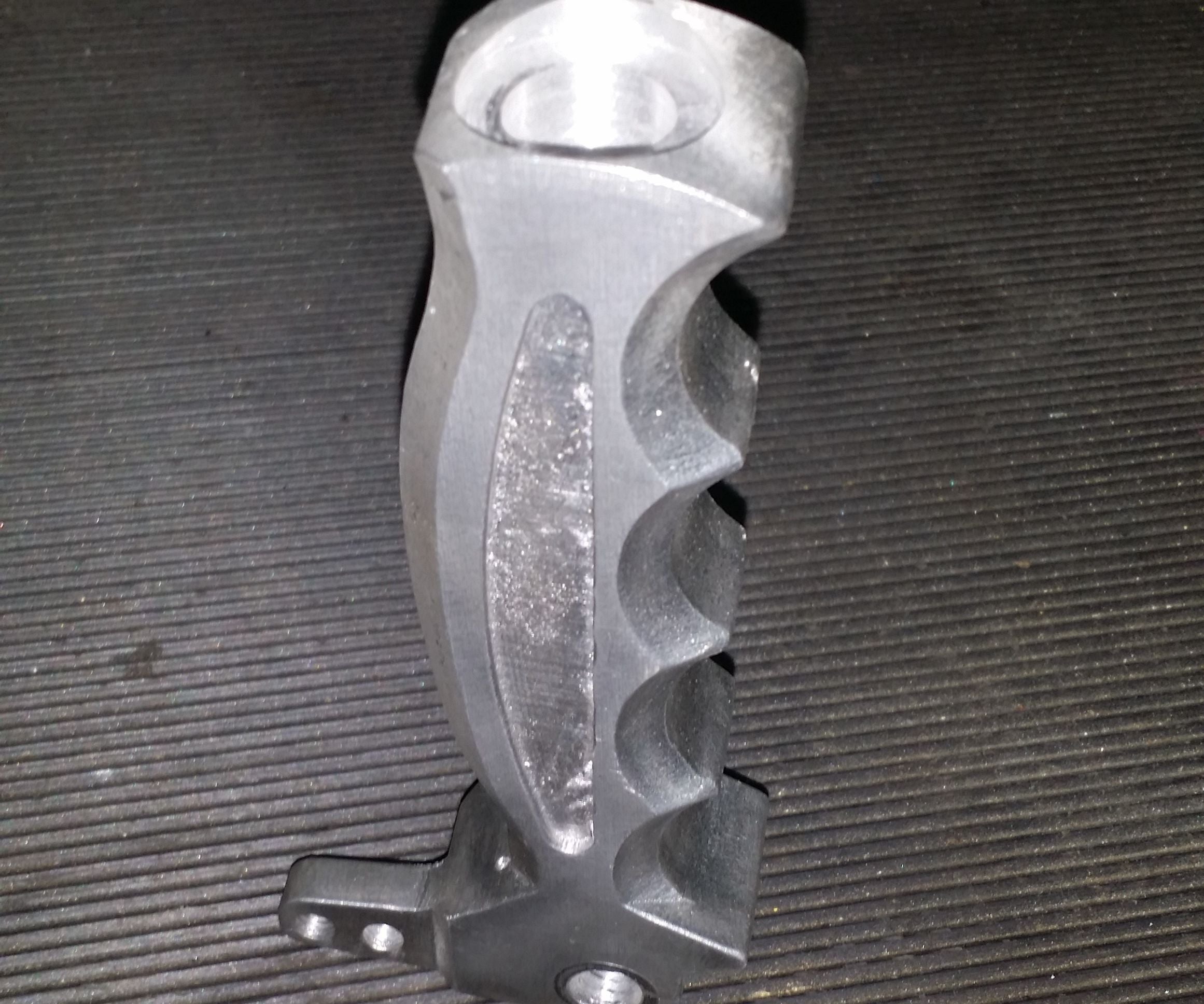
In the aerospace industry, aluminum castings are important to the layout and capability of aircraft components. These castings are made use of in different applications, including engine parts, architectural parts, and interior installations. Their lightweight nature adds to enhanced gas efficiency and total performance, which is necessary in aerospace engineering.
Aluminum castings additionally use outstanding strength-to-weight ratios, enabling producers to create detailed styles without jeopardizing architectural stability. The ability to produce intricate geometries makes aluminum casting a preferred selection for elements that require precision and integrity.
In addition, light weight aluminum's resistance to corrosion improves the longevity of aerospace parts, minimizing maintenance prices and improving security (Aluminum Casting). The casting procedure enables high-volume production, meeting the sector's needs for effectiveness. Generally, aluminum castings play a critical role ahead of time description aerospace modern technology and maximizing aircraft design, adding to the field's continuous technologies
Advantages Over Various Other Materials
Aluminum castings offer substantial advantages over various other products, making them a preferred choice in different markets. One of the main benefits is their lightweight nature, which adds to reduced power usage and improved efficiency in applications such as automotive and aerospace. Additionally, light weight aluminum exhibits exceptional deterioration resistance, permitting for long term resilience and decreased upkeep expenses.
The product's remarkable thermal and electric conductivity better enhances its charm, especially in applications needing warm dissipation or effective energy transfer. Aluminum Casting. Aluminum castings also give outstanding dimensional stability, guaranteeing accurate tolerances and minimizing the probability of defects during the production procedure
The flexibility of aluminum enables for complicated shapes and detailed layouts, which can be achieved via different casting approaches. This flexibility makes light weight aluminum a valuable choice for makers intending to innovate while maintaining cost-effectiveness and top quality. To wrap up, light weight aluminum castings stick out because of their distinct mix of buildings that satisfy varied commercial demands.
Future Fads in Aluminum Casting Innovation
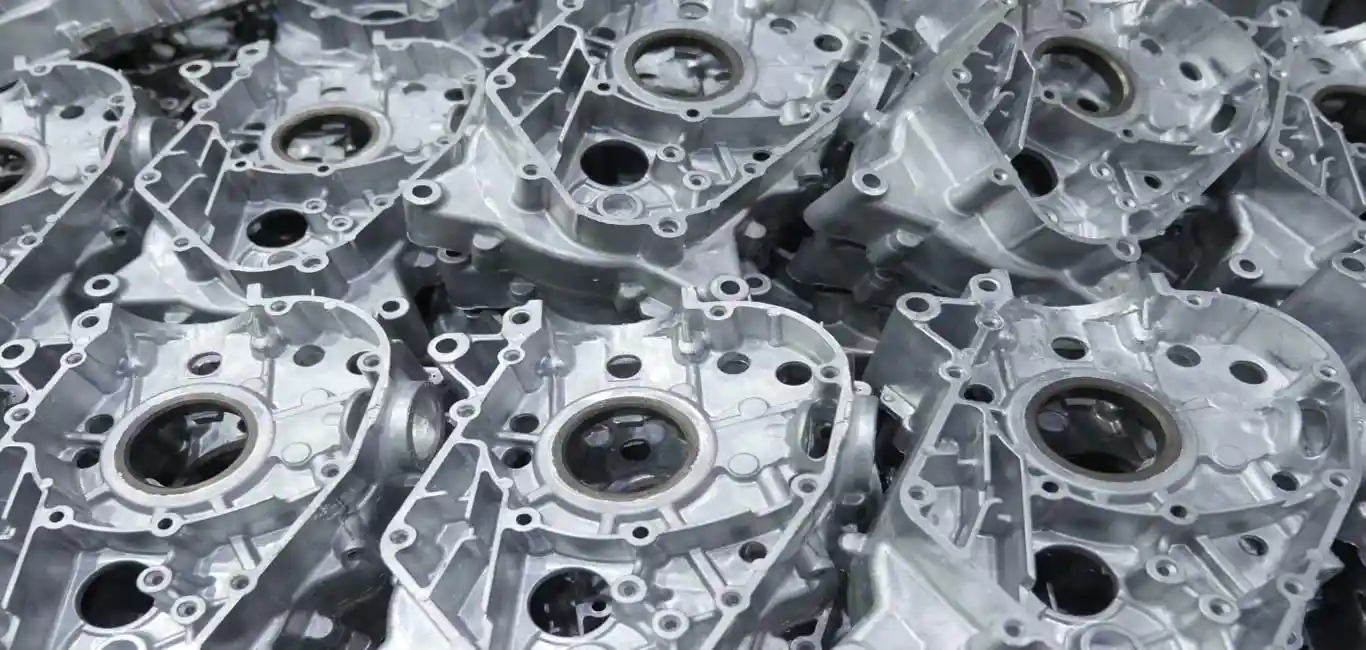
Future trends in light weight aluminum casting innovation are increasingly concentrated on automation and the advancement of advanced alloys. Automation stands to improve effectiveness and precision in casting procedures, minimizing labor costs and improving product consistency. Simultaneously, advancements in alloy formulations promise to broaden the array of applications for aluminum castings, dealing with certain performance demands in numerous industries.
Automation in Casting Processes
Advanced Alloys Development
With the recurring advancement of product scientific research, the advancement of innovative alloys is readied to change aluminum spreading innovation substantially. These ingenious alloys are created to boost mechanical residential properties, deterioration resistance, and thermal stability, satisfying diverse commercial applications. Scientists are concentrating on crossbreed alloys that include elements such as magnesium, silicon, and zinc to accomplish peak performance. Furthermore, improvements in computational modeling and simulation are allowing the prediction of alloy actions under numerous conditions, streamlining the design process. The combination of recycling modern technologies is additionally ending up being important, enabling suppliers to generate high-performance aluminum castings while decreasing ecological effect. As these patterns continue, the aluminum casting market is most likely to witness considerable improvements in efficiency, sustainability, and product quality.
Regularly Asked Questions
How Is Aluminum Casting Eco-friendly?
The question of light weight aluminum spreading's environmental friendliness emerges from its recyclability and lower power consumption contrasted to various other metals. In addition, developments in lasting methods even more enhance its environmentally friendly credibility within manufacturing procedures.
What Is the Typical Life Expectancy of Aluminum Castings?
The normal lifespan of aluminum castings differs based on application and environment, typically varying from click to find out more several years to decades. Elements such as direct exposure to corrosive elements and mechanical anxiety can substantially influence their sturdiness and longevity.
Can Aluminum Castings Be Reused?
Aluminum castings can without a doubt be recycled. This procedure greatly minimizes waste and preserves sources, enabling makers to recycle materials efficiently. Recycling aluminum castings adds to sustainability and decreases the environmental influence connected with light weight aluminum production.
What Are the Usual Problems in Aluminum Castings?
Common issues in aluminum castings consist of porosity, shrinking, imbalance, and surface blemishes. These problems can develop from poor pouring strategies, improper alloy make-up, or inadequate air conditioning, inevitably affecting the quality and performance of the final product.
Just how Do I Choose the Right Aluminum Casting Process?
Selecting the right aluminum spreading procedure needs evaluating production volume, part complexity, and wanted properties. Factors such as expense, preparation, and product attributes additionally affect the choice, making certain perfect results for specific applications.